

Specification
Chemical Composition
● Elemental Composition: Tantalum is a chemical element with the symbol Ta and atomic number 73.
● Purity: Tantalum is usually available in 99.9% to 99.99% purity for most industrial and high-performance applications.
● Alloyed Forms: Tantalum is also available in alloys with other metals such as tungsten (W), niobium (Nb), and titanium (Ti), offering enhanced properties like strength or formability.
Physical Properties
|
Physical Properties |
Data |
|
Density |
16.69 g/cm³ (grams per cubic centimeter), making it one of the densest metals. |
|
Melting Point |
3,017°C (5,463°F), one of the highest melting points of any metal |
|
Boiling Point |
5,458°C (9,854°F). |
|
Color |
Tantalum is a shiny, silvery-blue metal. |
|
Hardness |
Tantalum is a relatively soft metal, but its alloys can be hardened depending on the specific alloy. |
|
Electrical Conductivity |
7.3 x 10⁶ S/m (conductivity in terms of Siemens per meter). |
|
Thermal Conductivity: |
57 W/m·K (Watt per meter Kelvin). |
Mechanical Properties
|
Mechanical Properties |
Data |
|
Tensile Strength |
170 - 300 MPa for pure tantalum, and higher for its alloys (e.g., up to 500 MPa for tantalum alloys) |
|
Yield Strength |
70 - 200 MPa for pure tantalum, depending on the form (e.g., sheet, rod). |
|
Elongation |
Approximately 5% - 30% (depending on the alloy form and processing). |
Corrosion Resistance
● Highly Corrosion-Resistant: Tantalum is known for its exceptional resistance to corrosion, even in highly acidic environments (e.g., sulfuric acid, hydrochloric acid, and aqua regia).
● Oxide Formation: Tantalum readily forms a passive oxide layer on its surface, which protects it from further corrosion.
● Resistant to: Many strong acids, including hydrofluoric acid, aqua regia, and sulfuric acid, making it ideal for chemical processing applications.
● Non-reactive: Very low reactivity with most substances, which is why it is used in high-purity environments like semiconductor and aerospace industries.
Electrical Properties
Capacitance
Tantalum is widely used in the manufacture of tantalum capacitors, thanks to its high dielectric constant.
Conductivity
It has lower electrical conductivity compared to other metals like copper but is highly valued in electronic applications for its stability.
Thermal Properties
● Melting Point: Tantalum's melting point is the third-highest of any element, after tungsten and carbon, making it suitable for high-temperature applications.
● Coefficient of Thermal Expansion: 6.6 x 10⁻⁶/K (micrometers per meter per degree Celsius).
Applications
● Electronics: Primarily used in tantalum capacitors, which are essential in modern electronics (e.g., mobile phones, computers, and automotive electronics).
● Aerospace: Used for high-temperature applications like jet engine components, rocket nozzles, and high-performance turbine blades.
● Chemical Processing: Due to its excellent corrosion resistance, tantalum is used in reactors, heat exchangers, and valves in the chemical industry, especially in highly corrosive environments.
● Medical: Tantalum is biocompatible, making it ideal for medical implants, particularly in orthopedic devices and dental implants.
● Superconducting Materials: Used in superconducting magnets and other advanced materials for scientific and industrial applications.
● Aviation and Defense: Due to its ability to withstand extreme temperatures, it is used in aircraft, missiles, and spacecraft components.
Alloy Forms
● Tantalum Alloys: Tantalum is often alloyed with metals like tungsten (W) to enhance its strength or with niobium (Nb) for improved formability and cost-efficiency.
● Tantalum-tungsten alloys are used in aerospace and military applications because they offer high strength at high temperatures.
● Tantalum-niobium alloys provide additional corrosion resistance and are used in applications like chemical equipment.
Environmental and Health Considerations
Biocompatibility
Tantalum is highly biocompatible, which makes it ideal for use in the medical industry.
Non-toxic
Tantalum does not pose significant health hazards when used properly in industrial and medical applications.
Recycling
Tantalum is recyclable and is often recovered from scrap materials, particularly in electronic devices and capacitors.
Specifications and Standards
● Purity Levels: Tantalum is typically available in grades such as 99.9%, 99.99%, and 99.999% pure forms for different applications.
● ASTM B365: Specification for tantalum and tantalum alloys for aerospace and other high-temperature applications.
● ASTM F560: Specification for tantalum medical devices.
● ISO Standards: ISO 9001 for general quality management, as well as specific material standards for tantalum.
Fabrication Form
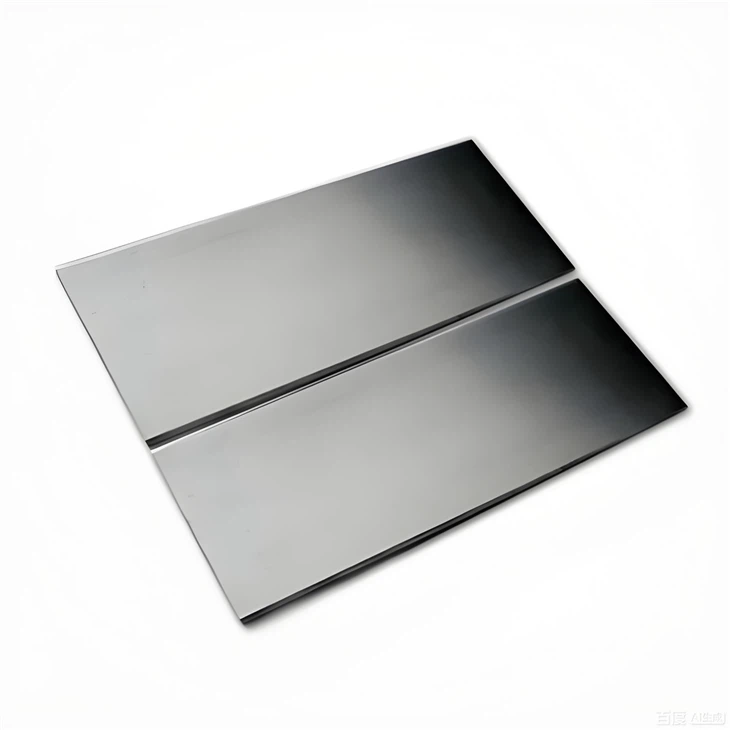
Sheets
Available in various thicknesses, used in chemical processing equipment.
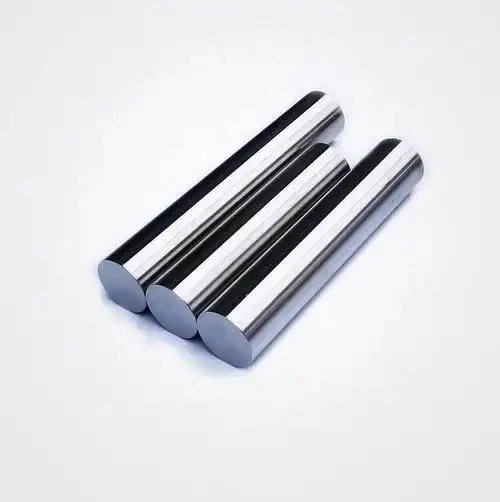
Rod and Bar
Common for manufacturing parts like fasteners and structural components.
Wire
Used for electrical and electronic applications, especially in the production of capacitors.
Hot Tags: tantalum material, China tantalum material manufacturers, suppliers, factory, Cadmium Material, Niobium Material, other rare metal, Tantalum Material, Zirconium Material


